Do I really need to replace my stucco, or can I just repair it?
This is probably the first thing folks ask me, and it's a good one. Look, a lot of stucco issues can absolutely be repaired. Cracks, small areas of delamination, minor water intrusion – we can often patch those up, blend the texture, and repaint, and you're good to go. But there are times when replacement is the smarter move, even if it's a bigger job upfront. If you've got widespread cracking, especially spiderwebbing or large sections that are loose or crumbling, that's a red flag. Significant water damage behind the stucco, like rotted sheathing or framing, means you need to get that old stuff off to deal with the structural issues properly. Also, if your stucco is just really old, like 40-50 years old and showing its age everywhere, or if it's an old three-coat system that's just failing across the board, replacement might give you a better, longer-lasting solution than chasing repairs forever. It's about looking at the overall health of your home's exterior, not just the surface.
What's the typical process for a full stucco replacement?
Okay, so you've decided replacement is the way to go. What happens? First, we'll protect your property – landscaping, windows, doors – with tarps and plastic. Then, the old stucco comes off. This is the messy part, no two ways about it. We're talking demo, and there's dust and debris. Once the old stuff is gone, we inspect the sheathing and framing underneath. This is crucial. If we find any dry rot or structural damage from past water leaks, we'll let you know and address that before moving on. Then we install new weather-resistive barriers – usually a couple layers of felt paper or a synthetic wrap. After that, we put up the metal lath, which is the mesh that holds the stucco. Then comes the scratch coat, followed by the brown coat, which builds up the thickness and provides a smooth base. Finally, we apply the finish coat. This is where you get to pick your texture and color. After it cures, we clean up thoroughly, and you've got a brand-new exterior. It's a multi-step process that takes time, but doing it right ensures it lasts.
How long does a stucco replacement project usually take?
That's a tough one to give a single answer for because it depends on a few things: the size of your house, how complex the architecture is, and what kind of weather we're having. A smaller, simpler house might take us two to three weeks from start to finish. A larger, more intricate home, especially if we run into unexpected wood rot or need to do extensive repairs underneath, could easily be four to six weeks, maybe even longer. Remember, there are drying times between coats. We can't rush that. If it's a rainy period, like during our typical winter rains here in Fullerton, that can definitely add delays. We'll always give you a more precise timeline once we've assessed your specific home, but plan for weeks, not days.
What are my options for new stucco textures and colors?
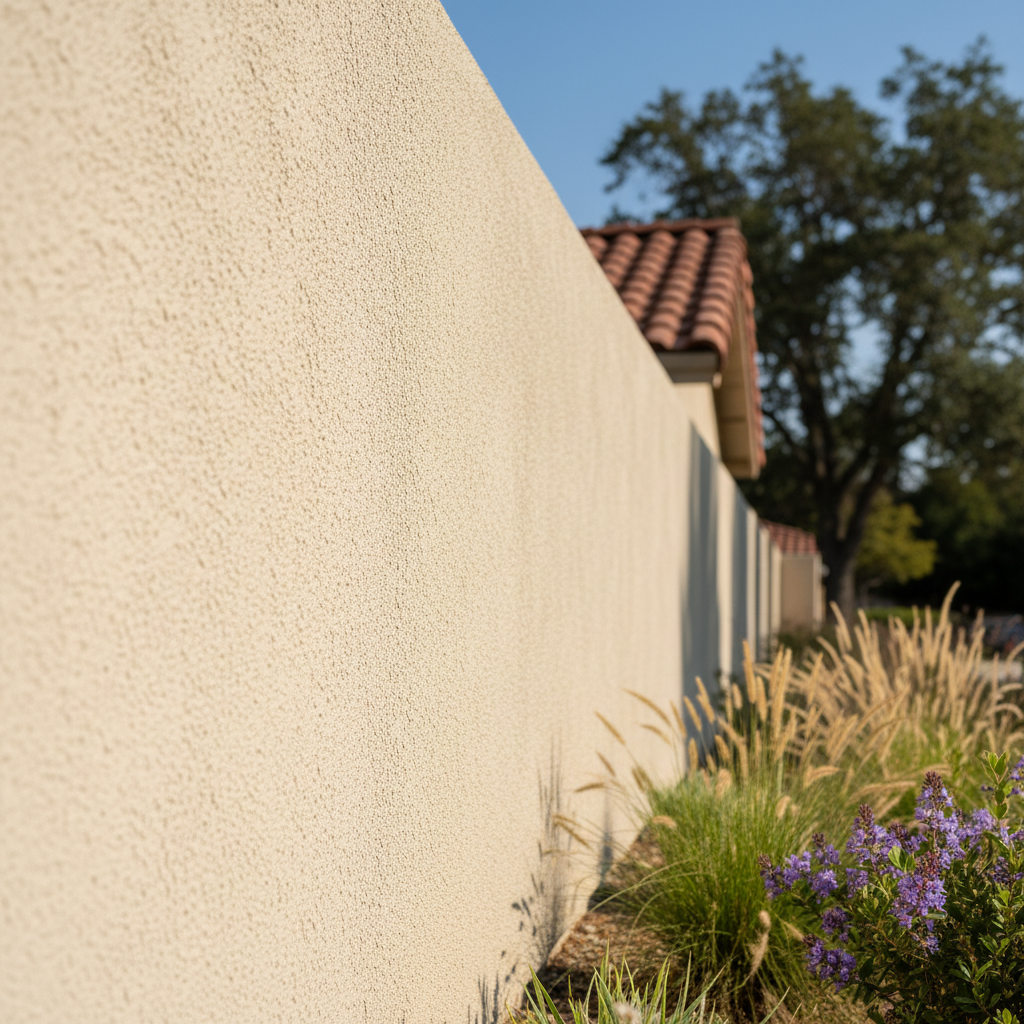
You've got a ton of options here, which is one of the fun parts of replacement. For textures, the most common are smooth, sand finish, dash, and Santa Barbara. Smooth is really popular right now for a modern look, but it shows imperfections more easily. Sand finish is classic and forgiving. Dash gives you a rougher, almost pebbly look. Santa Barbara is a hand-troweled, slightly irregular smooth finish that looks really custom. We can also do custom textures if you have something specific in mind. As for color, you can pick from hundreds of integral colors – that means the color is mixed into the stucco itself, so it goes all the way through and won't chip or fade like paint. Or, you can go with a natural gray or white stucco and paint it later. Most folks choose integral color these days for the durability and low maintenance. We'll show you samples and help you pick something that complements your home and neighborhood, whether you're in a mid-century modern in Sunny Hills or a Spanish-style home near Cal State Fullerton.
Will stucco replacement increase my home's value or energy efficiency?
Absolutely, it can do both. A fresh, properly installed stucco exterior significantly boosts your home's curb appeal. If you're planning to sell, that's a huge plus. Buyers see a well-maintained exterior and know they won't have to deal with costly repairs right away. So, yes, it can definitely increase your home's market value. As for energy efficiency, new stucco, especially when combined with a good weather barrier system, creates a much better thermal envelope for your home. It helps seal up drafts and provides an extra layer of insulation. This means your HVAC system won't have to work as hard to keep your home cool in our hot summers or warm in the cooler months, which can lead to noticeable savings on your utility bills. It's an investment that pays off in multiple ways.
How much does stucco replacement cost in Fullerton?
This is the million-dollar question, right? And honestly, there's no flat rate. The cost depends on several factors: the total square footage of stucco, the complexity of your home's design (lots of corners, windows, architectural details add labor), the type of finish you choose (some textures are more labor-intensive), and any repairs needed to the underlying structure once the old stucco is removed. Access to the work areas also plays a role – if we need extensive scaffolding, that adds to the cost. Generally, you're looking at a significant investment for a full replacement. I always recommend getting a detailed, written estimate from a reputable contractor like us at Fullerton Stucco & Plastering. We'll break down the costs so you know exactly what you're paying for. It's not a cheap job, but it's a long-term investment in your home's protection and appearance.
What kind of maintenance does new stucco require?
One of the best things about stucco is how low maintenance it is, especially compared to other siding materials. Once it's properly installed and cured, you don't have to do much. The main thing is keeping it clean. You can usually just hose it down periodically to remove dirt and dust. For tougher grime, a soft brush and mild detergent work wonders. Just avoid high-pressure washers, as they can damage the finish. Keep an eye out for any small cracks that might develop over time – it's normal for a few hairline cracks to appear as the house settles, and those are easy to patch if caught early. Also, make sure your sprinklers aren't constantly hitting the stucco, as prolonged moisture can cause issues. Other than that, it's pretty hands-off. It's designed to last for decades with minimal fuss, protecting your home beautifully.